
Public
The impact of gambling addiction on your life a comprehensive look from Pin Up
Understanding Gambling Addiction
Gambling addiction, often referred to as compulsive gambling or gambling disorder, is a condition that affects millions of individuals worldwide. It is characterized by an uncontrollable urge to gamble despite the negative consequences it may bring. For many, what starts as a recreational activity can quickly spiral out of control, leading to severe financial, emotional, and social repercussions. The Pin Up app login allows access to various gaming experiences while highlighting the importance of understanding addictive behaviors.
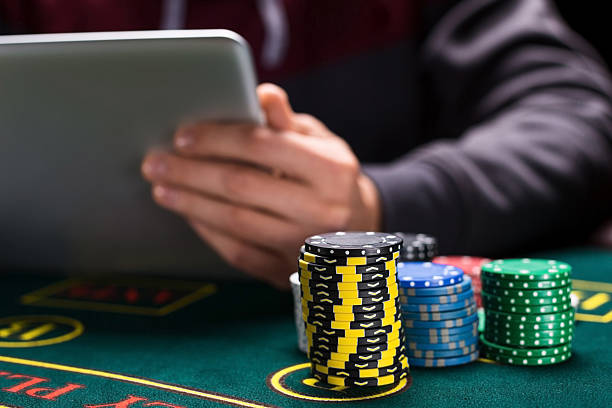
This addiction does not discriminate based on age, gender, or socioeconomic status. Understanding the psychological underpinnings of gambling addiction is essential in recognizing its profound impact on one’s life. As the thrill of potential winnings becomes a driving force, individuals often neglect responsibilities and relationships, further entrenching themselves in a cycle of despair.
Financial Consequences
One of the most immediate and visible impacts of gambling addiction is its detrimental effect on an individual’s financial health. Many gamblers find themselves in a precarious financial situation, resulting from their inability to stop wagering. This can lead to excessive debt, bankruptcy, and even criminal activities such as theft or fraud to sustain their gambling habits. The consequences of a reckless approach to the Pin Up login experience can be particularly dire.
Moreover, the stress and anxiety associated with financial instability can contribute to a host of other issues, including mental health disorders such as depression and anxiety. The compulsion to gamble can overshadow sound financial management, leading individuals to prioritize gambling over essential expenses, ultimately affecting their quality of life.
Emotional and Psychological Effects
The emotional toll of gambling addiction is profound and often manifests in various psychological issues. Individuals may experience feelings of guilt, shame, and helplessness as they grapple with their inability to control their gambling behavior. This emotional distress can lead to withdrawal from family and friends, further exacerbating feelings of loneliness and isolation.
Additionally, the rush of winning may provide a temporary escape from reality, but the inevitable losses can plunge individuals into deeper emotional turmoil. Many find themselves battling depression or anxiety, creating a vicious cycle that can be challenging to break without support and intervention.
Impact on Relationships
Gambling addiction can severely strain relationships with family, friends, and partners. The secrecy surrounding gambling habits often leads to a breakdown of trust, causing rifts in personal connections. Loved ones may feel helpless and frustrated, leading to conflicts and emotional distress for all parties involved.
As the addicted individual becomes more consumed by their gambling, they may withdraw from social interactions and neglect relationships that once brought them joy. This isolation can create a cycle where the individual feels more alone and desperate, further fueling their gambling habits and resulting in a devastating impact on their social life.

Exploring Pin Up as a Resource
Pin Up offers a range of online gaming options that can provide entertainment for casual players. However, it is crucial to approach gambling responsibly, especially given the potential for addiction. The platform is designed to enhance user experience with features like secure transactions and 24/7 customer support, making it accessible for those who choose to engage.
While Pin Up can serve as a source of enjoyment, it is vital for users to be aware of the risks associated with gambling. Engaging with resources and seeking help when needed can ensure that the online gaming experience remains a healthy and enjoyable pastime rather than a detrimental addiction.
